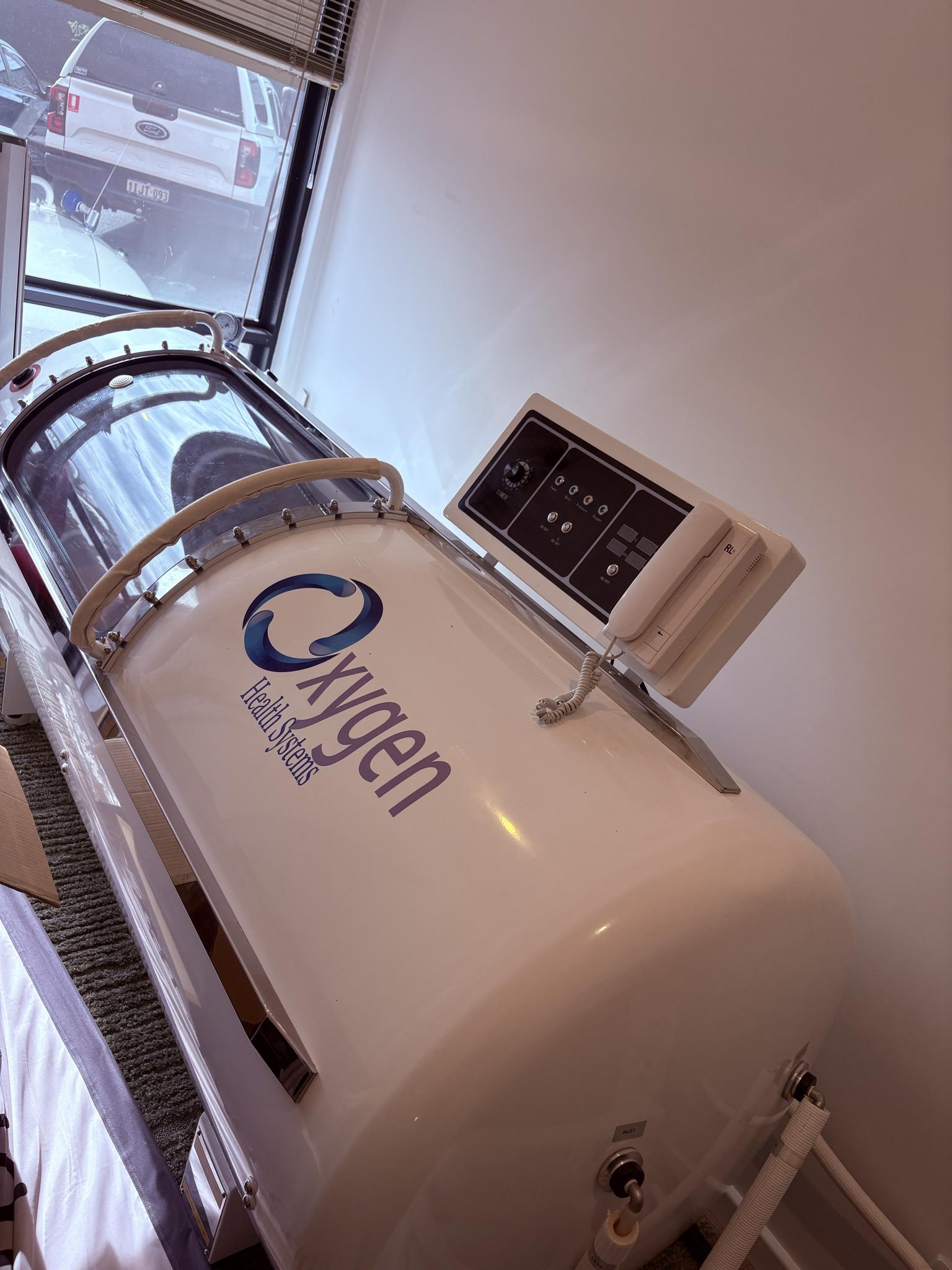
Hyperbaric chamber therapy, and what it may offer
6 min read

Foam rollers and spiky balls are cheap, simple and surprisingly effective for feeling looser. Here’s what they really do, and how to use them well.
Foam rollers and spiky balls have quietly become some of the most useful tools you can own for at-home recovery. They’re inexpensive, they take up little space, and when they’re used well, they can help you feel looser and move more freely.
Fascia is the connective tissue that wraps and links your muscles, bones and organs — a continuous web running through the whole body. When we’re stiff or sore, the muscles and fascia in that area often feel tight or tender.
You’ll often hear that rolling “breaks up” fascia or knots. In reality, a roller can’t physically reshape tissue that tough. What the research does suggest is that rolling can give a short-term boost to range of motion and reduce how sore muscles feel, likely by calming the nervous system’s response to that area.
That’s still a very useful result. Feeling looser makes it easier to move, stretch and exercise — and that’s where lasting change comes from.
Rolling won’t rebuild your tissue — but it can help you feel ready to move, and moving is what counts.
Move slowly, spending about 30 to 90 seconds on each area. When you find a tender spot, pause and breathe rather than grinding into it. Aim for a firm, “good” discomfort — never sharp pain.
Avoid rolling directly over the lower back, joints or bones. The lower back in particular tends to respond better to rolling the glutes and upper back around it.
Rolling is a great companion to hands-on care, but it isn’t a fix for everything. If an area keeps tightening up, or you’re dealing with pain that won’t settle, book in and we’ll take a closer look at what’s going on.